
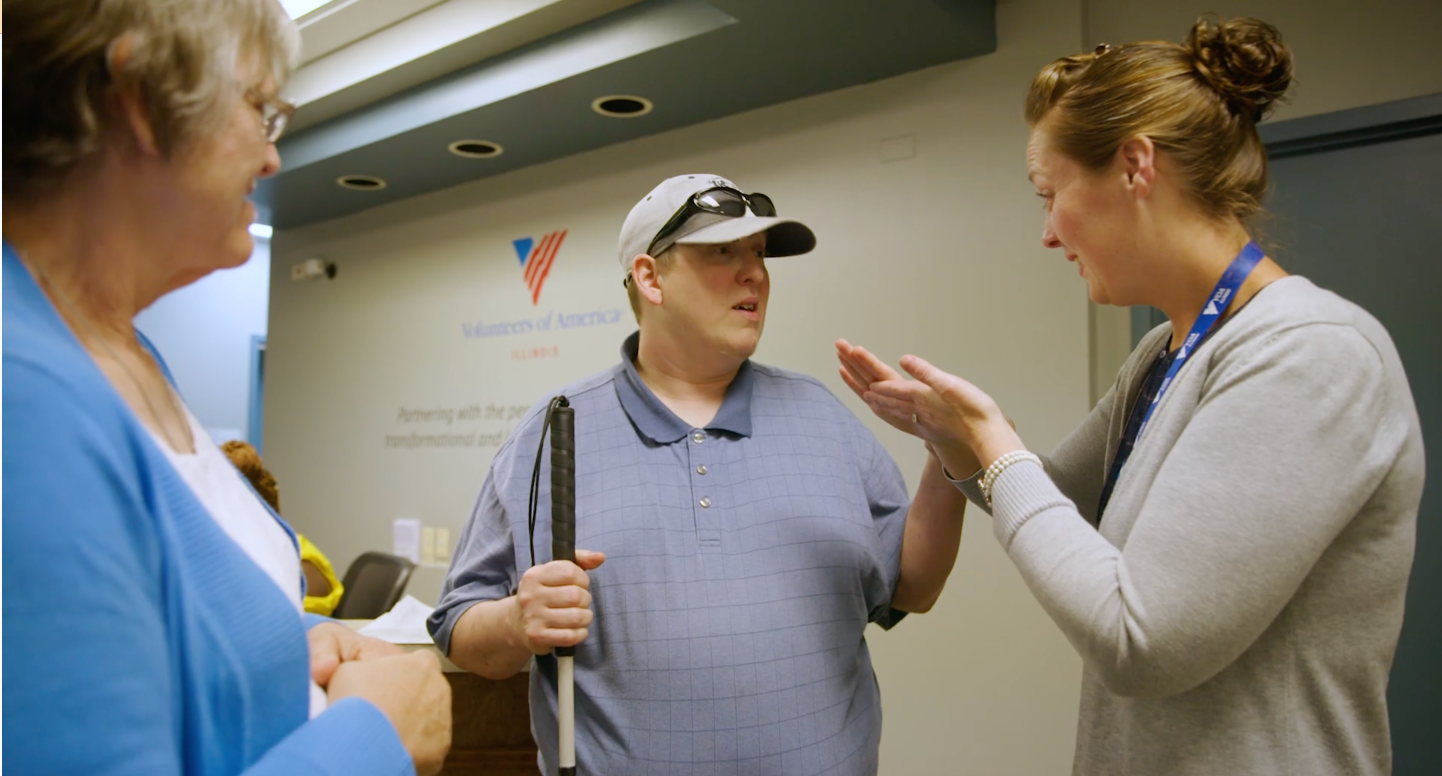
In video production, we often talk about capturing authentic stories, and authenticity requires inclusion. Whether you’re working with on-screen talent, interview subjects, or crew members, creating an environment that supports people with varying disabilities isn’t just considerate, it makes your work stronger.
Here’s how to approach it with intention, respect, and practicality.
Start with Conversation, Not Assumptions
Every person’s experience with disability is different. Two individuals with the same diagnosis may have completely different needs.
Before the shoot, ask simple, open-ended questions:
“Is there anything you need from us to feel comfortable or supported on set?”
“Are there any access considerations we should plan for?”
This isn’t about spotlighting differences, it’s about removing guesswork. Let people define their own needs.
Build Accessibility into Pre-Production
The best time to create an inclusive environment is before anyone steps on set.
Consider:
Location access: Are there ramps, elevators, accessible restrooms, and clear pathways?
Scheduling: Does the timeline allow for breaks, flexibility, or reduced fatigue?
Communication needs: Will you need interpreters, captioning, or alternative formats for scripts and materials?
When accessibility is baked into planning, it feels seamless and not like an afterthought.
Be Flexible with Your Process
Production schedules are often tight, but rigidity can create unnecessary barriers.
Be prepared to:
Adjust call times or shoot durations
Modify blocking or camera setups
Allow for additional takes or rest periods
Flexibility builds trust. And trust leads to better performances, better interviews, and better stories.
Create a Comfortable Set Environment
Small details can make a big difference.
Think about:
Lighting and sound sensitivity: Some individuals may be sensitive to bright lights or loud, sudden noises.
Quiet spaces: A designated area to decompress can be invaluable.
Clear communication: Keep directions concise and consistent. Avoid overwhelming people with too many voices or last-minute changes.
A calm, organized set benefits everyone, not just those with disabilities.
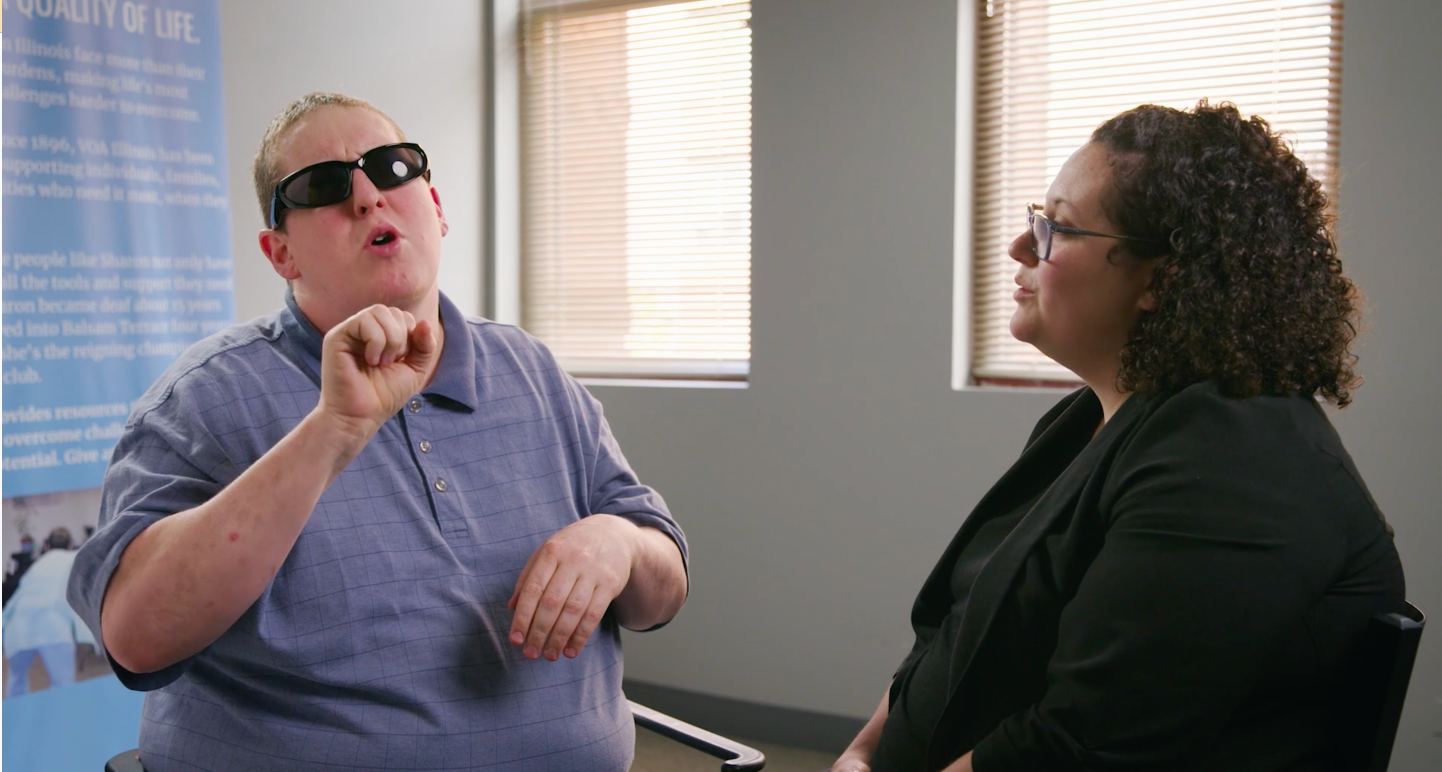
Use Respectful, Person-First (or Identity-First) Language
Language matters and preferences vary.
Some people prefer person-first language (“person with a disability”), while others prefer identity-first language (“disabled person”). When in doubt, follow the individual’s lead.
And as a general rule: avoid framing disability as something to “overcome” unless that’s how the person tells their own story.
Empower, Don’t Other
In documentary and branded storytelling especially, it’s easy to unintentionally frame people through a lens of limitation.
Instead:
Focus on the whole person, not just their disability
Let them guide how they want to be represented
Avoid tokenism. Authentic inclusion means meaningful participation, not just visibility
The goal is collaboration, not extraction.
Train Your Crew
An inclusive set isn’t just the responsibility of the producer or director, it’s a shared standard.
Make sure your crew understands:
Basic accessibility etiquette
How to communicate respectfully
The importance of patience and adaptability
Even a quick pre-shoot briefing can align everyone and prevent uncomfortable moments.
Plan for Post-Production Accessibility
Inclusion doesn’t stop when the cameras do.
Consider:
Captions and subtitles
Audio descriptions
Accessible formats for distribution
If your content isn’t accessible to your audience, you’re limiting its reach and impact.
Final Thought
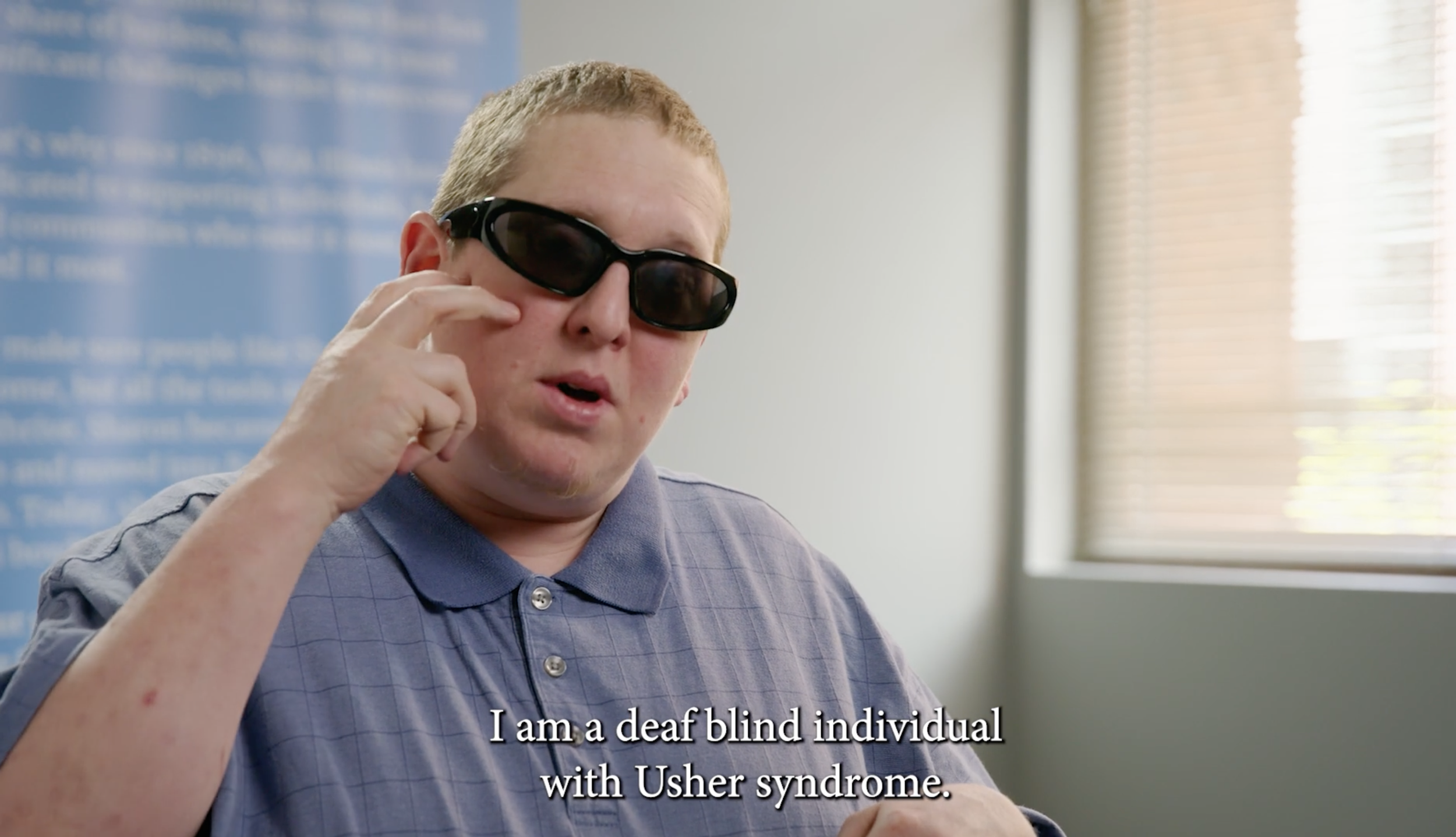
At its core, inclusive production is about recognizing that great storytelling comes from real people, and real people have diverse needs.
When you create space for those needs, you don’t just make your set more accessible, you make your work more honest, more human, and more powerful.
The best productions aren’t just well-executed. They’re built on environments where everyone can show up fully as themselves.

