
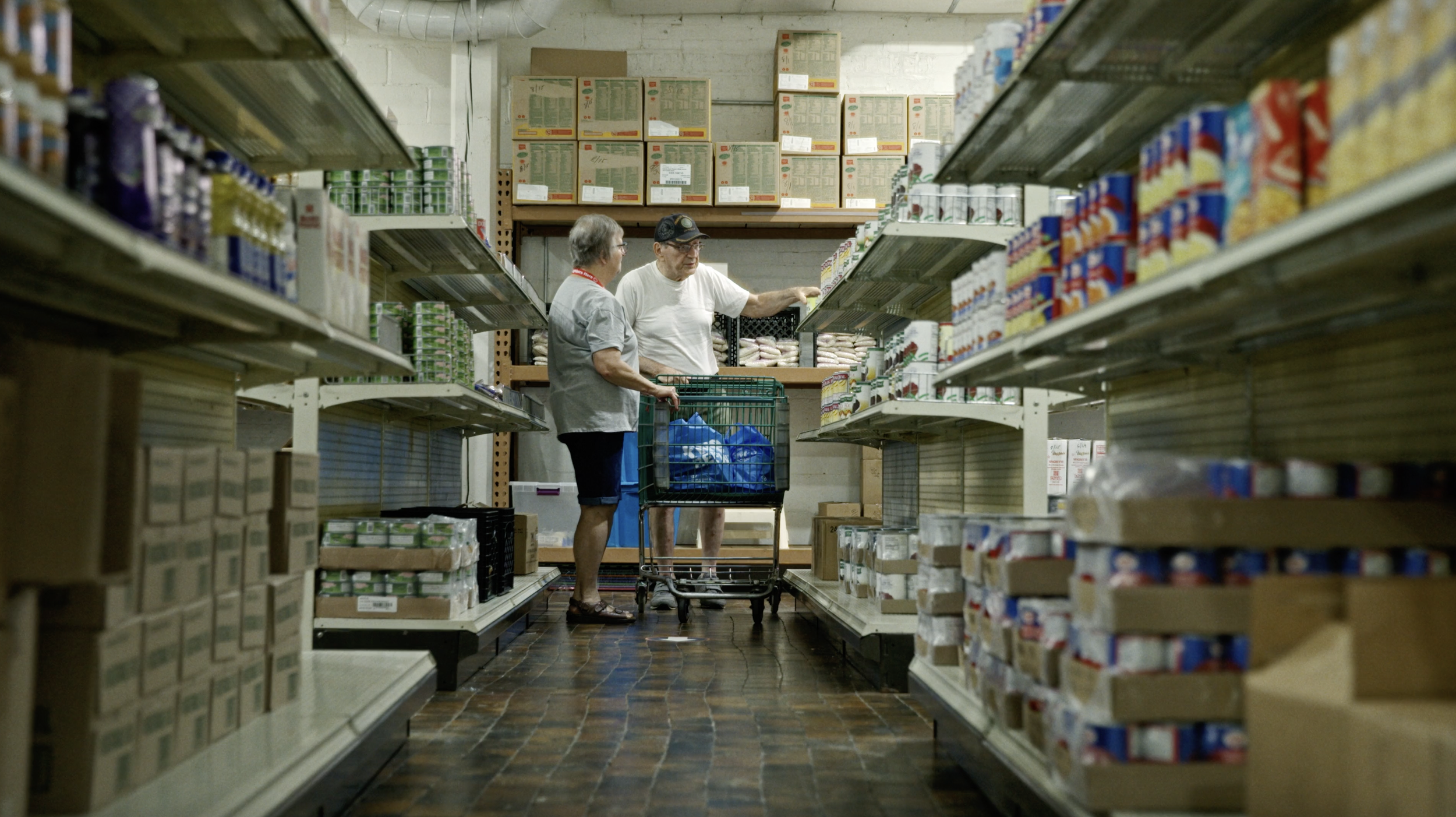
If you’ve ever heard a producer say, “Let’s capture some vérité,” you might have nodded along and thought… wait, what exactly does that mean?
In video production, vérité (short for cinéma vérité, French for “truthful cinema”) refers to capturing real moments as they unfold: unscripted, unstaged, and authentic. Instead of directing every action or relying solely on interviews and voiceover, vérité filmmaking observes life in motion.
It’s less about perfect lighting and polished delivery. It’s more about presence, energy, and real human moments. For brands, nonprofits, and organizations, incorporating vérité can elevate a video from informational to deeply engaging.
Let’s break down what it really means and how you can thoughtfully incorporate it into your next project.
What Vérité Looks Like in Practice
Vérité scenes might include:
* A team collaborating in a real meeting
* A nurse interacting naturally with a patient
* A founder walking through their workspace mid-conversation
* Volunteers setting up for an event
* A candid moment before or after a formal interview
There’s no script. No one repeats lines. The camera observes rather than directs. The result? Texture. Authenticity. Emotional credibility. When audiences see real interactions instead of staged recreations, trust increases.
Why Vérité Works So Well for Brands
Today’s audiences are highly attuned to overly polished marketing. They can spot scripted messaging instantly.
Vérité scenes:
* Add emotional depth
* Show culture instead of describing it
* Capture natural expressions and body language
* Help audiences feel like they’re “inside” the experience
Instead of telling viewers your organization is collaborative, compassionate, or innovative, you show them. And showing will always be more powerful.
How Clients Can Incorporate Vérité Into Their Video Projects
You don’t need a full documentary production to use vérité effectively. Here’s how to thoughtfully build it into your next video:
1. Allow Space in the Schedule
Vérité takes time. You can’t rush authentic moments.
When planning your shoot, build in room for observation, whether that’s arriving early, filming between formal segments, or staying after an event wraps. Some of the best moments happen when people forget the camera is there.
2. Choose Real Moments Over Re-Created Ones
If something happens organically during filming — a laugh, a problem-solving moment, a spontaneous reaction — lean into it. Rather than recreating a “perfect” version, embrace the real one. It may be less polished. It will be more powerful.
3. Prep People for Presence, Not Performance
When interviewees or team members know they don’t need to “act,” they relax. We often tell participants: “Just do what you normally do. We’ll follow your lead.” That simple mindset shift changes everything.
4. Blend Vérité With Structured Storytelling
Vérité doesn’t replace interviews, it enhances them. A strong video often combines:
* Sit-down interviews for clarity and messaging
* Vérité scenes for emotional context and realism
This balance keeps your story grounded and engaging.
5. Trust the Process
Vérité can feel unpredictable. That’s part of its strength. When clients allow room for real moments instead of trying to control every detail, the final product often feels more human and relatable. And human is what connects.
When Vérité Is Especially Powerful
Vérité works particularly well for:
* Mission-driven organizations
* Healthcare and nonprofit storytelling
* Culture and recruitment videos
* Behind-the-scenes brand pieces
* Event recaps
* Founder or leadership profiles
Any time your goal is to build trust, credibility, and emotional resonance, vérité can help.
The Bottom Line
Vérité isn’t about abandoning structure. It’s about making room for reality. In a world of carefully curated content, real moments stand out. They create connection. They build trust. They make stories feel lived-in instead of manufactured.
If you’re planning your next video project, consider asking not just: “What do we want to say?” But also: “What real moments can we show?”
Because sometimes the most powerful story is the one that unfolds naturally and all we have to do is be ready to capture it.

